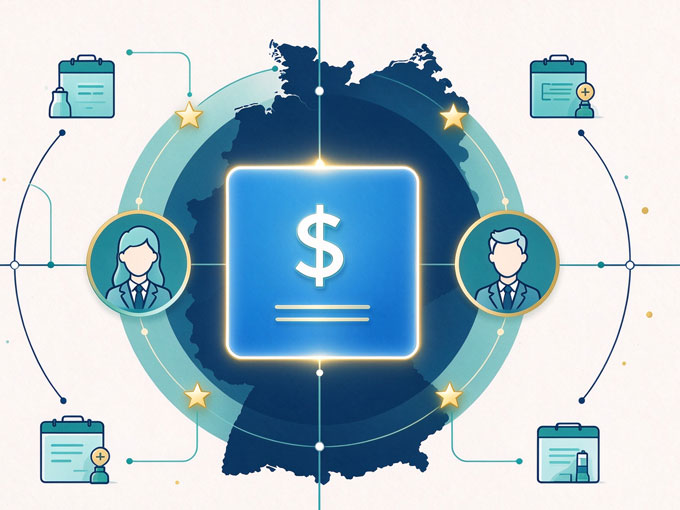
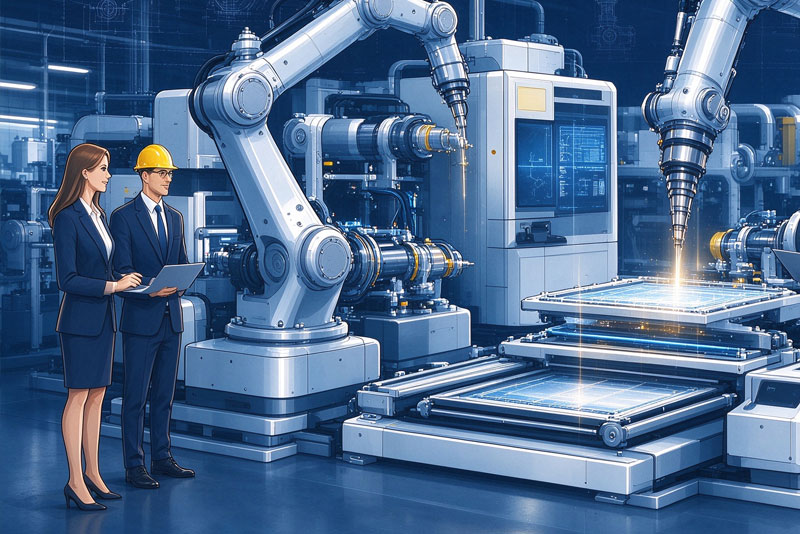
As Europe’s largest economy, Germany features a well‑developed industrial system and mature industrial structure. It leads the world in sectors including automotive manufacturing, precision machinery, electrical automation, new energy, biomedicine, information technology and healthcare. Its economy is highly resilient, with an unemployment rate consistently low within Europe.
Supported by a strong real economy, Germany’s job market maintains steady growth year‑round. Mass layoffs and industry‑wide recessions are rare, offering a strong sense of job security. Driven by an ageing population and low birth rates, Germany faces a persistent massive talent shortage. Skilled tradespeople, engineers, IT specialists, medical staff, carers, logistics and technical service professionals are in acute demand.
The German government keeps easing skilled immigration policies. Schemes such as the Opportunity Card, EU Blue Card and fast‑track talent channels have greatly lowered barriers for overseas applicants to enter, seek employment and settle. Germany is highly welcoming to foreign workers and skilled professionals.

Germany enforces a statutory nationwide minimum wage. All employees’ remuneration is fully protected by law. Salary payments are punctual, transparent and regulated, eliminating issues such as wage arrears, unpaid overtime and exploitative labour practices.
Entry‑level positions can deliver an income sufficient for a decent standard of living. Technical roles and shortage‑occupation posts offer stronger pay rises and ample promotion prospects. For highly educated and skilled professionals, the EU Blue Card provides premium salary terms well above ordinary positions, with earnings rising steadily alongside seniority and skill levels.
Furthermore, benefit schemes covering overtime pay, holiday allowances, year‑end bonuses and job‑specific subsidies are well established, resulting in excellent overall income value.

Germany has a comprehensive labour system with strict controls on working hours and clear statutory working time rules. Paid annual leave, weekends off and public holidays are fully guaranteed. Overtime requires the employee’s consent and is compensated at premium rates. There is barely any pointless rat race, late‑night overtime or obligatory social entertainment at work.
The workplace culture is equal, straightforward and result‑oriented. Value is placed on professional competence and deliverables rather than complicated office politics. A clear divide is maintained between work and private life, leaving ample time for leisure, travel, study and family. It ranks among the countries with the highest job satisfaction worldwide.
Germany has one of the world’s premier social security systems. Upon formal employment, employees are entitled to a full package of statutory insurances: health insurance, pension insurance, unemployment insurance, long‑term care insurance and accident insurance, covering all aspects of work and daily life.
Health insurance offers extensive coverage with very low costs for consultations, examinations, medication and hospital stays; the whole family can share the health benefits. Pension contributions accrue over time, securing generous and stable pension payments after retirement. If unemployed, individuals can receive unemployment benefits to cover basic living costs during the transition period.
In addition, multiple welfare benefits such as child benefit, parental allowance and housing subsidy are available by law, resulting in lower living pressure and a high quality of life.

Germany maintains liberal immigration policies with well‑defined pathways for foreign workers. Those who work legally and pay social security contributions in Germany for the required period may apply for permanent residence, and naturalisation once further criteria are met.
Compared with countries such as the UK and the US, Germany features lower immigration thresholds, consistent assessment standards and high policy continuity, making it ideal for long‑term settlement and family development. Holders of German long‑term work permits enjoy largely equal access to social rights, healthcare, education and public resources as local residents. Their children are eligible for free public schooling, which is a major advantage for family living.

Germany is a Schengen Area member state. With a valid German work residence permit, holders may travel visa‑free to more than 20 European countries including France, Italy, Switzerland, Austria and the Netherlands, which greatly facilitates travel, family visits and business trips.
It delivers outstanding geographic advantages for leisure getaways, future job hunting, further studies and business expansion across Europe.

Germany’s occupational standards are globally recognised. Professional experience, technical qualifications and employment records gained in Germany carry substantial international value. They deliver strong competitive edges whether you pursue career advancement in Germany long‑term, return to China, or seek work in other European and American countries.
Germany values skilled professionals. Blue‑collar technicians enjoy high social standing and respect. Their remuneration is comparable to or even higher than that of white‑collar employees, with unlimited room for career development.

Germany has well‑established Chinese communities. Chinese supermarkets, restaurants and business districts can be found in major cities, making it easy to adapt to familiar dietary and living habits without feeling alienated.
Meanwhile, Germany enjoys stable public security and a sound legal system. Personal safety and property are fully protected, rendering it an excellent destination for foreigners to work and live long‑term.

Core entitlements and rules: The initial residence permit is valid for 24 months and may be extended for a maximum duration up to 3 years. During the residence period, part‑time work of up to 20 hours per week is permitted. There is no working‑hour limit for practical work relevant to the applicant’s profession. After completing supplementary qualification training in Germany and passing the official practical assessment to obtain the German professional license, the permit can be converted directly into a formal §18a Skilled Worker Visa with full residence rights.


Qualification pre-review, notarization of academic and vocational documents plus German degree recognition; language assessment and pre-German courses; customized resume and motivation letter, job matching.
Job recommendation and resume submission; multiple rounds of online interviews and professional competence tests; salary negotiation and issuance of conditional offer.
Prepare visa documents including labor contract and submit to German diplomatic missions; visa approval; (labor market review by employment agency required for partial positions).
Flight and accommodation arrangement; entry registration, bank account opening and health insurance application; follow-up vocational German and cross-cultural training before taking up the job.
Company onboarding, application for long-term work residence permit to immigration office; social insurance registration and probation follow-up.

© COPYRIGHT BY TOTONEX HR ALLRIGHT RESERVED.